Unveiling the Harsh Reality: Women’s Rights in North Korea
North Korea, often shrouded in secrecy and tightly controlled narratives, presents a stark contrast between its state propaganda and the lived experiences of its citizens. A recent article by Sang Yong Lee, titled “The Dire State of Women’s Rights in North Korea,” sheds light on the troubling discrepancies between North Korea’s proclaimed commitment to gender equality and the actual conditions faced by women in the country.
State Propaganda vs. Reality

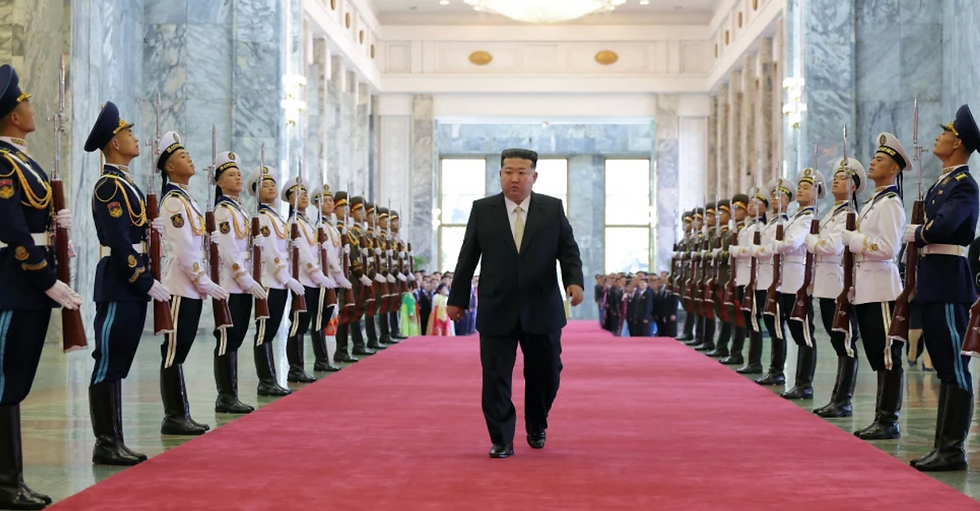
On International Women’s Day, North Korean state media glorifies women with slogans like “Women Are Flowers” and portrays the nation as a “paradise” for women. Leader Kim Jong Un is even likened to a “mother” figure, nurturing the populace. However, these carefully curated images mask a grim reality. According to Lee’s article, a survey conducted by Daily NK in collaboration with the Canadian Embassy to the Republic of Korea reveals alarming statistics about the treatment of women in North Korea.
Alarming Survey Findings
The survey, which included responses from 30 women still residing in North Korea and 10 defectors, uncovered disturbing trends:
Sexual Victimization: Over half of the respondents reported being sexually victimized by officials in institutions like the national police and correctional centers.
Workplace Coercion: A staggering 73% encountered instances where officials coerced or tricked them into sexual acts in exchange for promotions or business opportunities.
Lack of Awareness: Approximately 70% were unaware of the Women’s Rights Protection Law of 2010, and only 16.7% had received any education regarding women’s rights.
These findings starkly contrast with North Korea’s 2021 report to the United Nations, where the regime claims that gender equality has been “achieved a long time ago.”
Traditional Gender Roles and Systemic Discrimination
Despite constitutional guarantees of gender equality and women’s legal rights to education and employment, traditional gender roles dominate North Korean society. Women are primarily expected to be “faithful housekeepers,” prioritizing family and domestic duties over personal or professional ambitions. This patriarchal mindset is reinforced by state media, which urges women to bear many children and support the revolution through domestic contributions.
The survey further highlights systemic discrimination:
Career Limitations: Women are often directed toward state-approved careers like teaching, nursing, and accounting, rather than fields such as science or technology.
Non-Tax Burdens: Women bear the brunt of mandatory contributions to state projects, including construction and military funding.
Limited Participation: Women’s roles in government decision-making are minimal, and many see the petition system as ineffective or are unaware of how to use it.
The Path Forward: Raising Awareness and Increasing Support
Lee emphasizes the urgent need to conduct more comprehensive surveys to better understand the challenges North Korean women face. Additionally, increasing efforts to disseminate information about women’s rights inside North Korea is crucial. This could be achieved through radio broadcasts, USBs, or SD cards containing educational materials, helping to break the regime’s information blockade.
Organizations both inside South Korea and internationally are already working to flood North Korea with outside information. These initiatives are vital for changing perceptions and empowering women to realize their rights and aspirations.
Conclusion
North Korea’s narrative of gender equality is a facade that hides deep-seated discrimination and systemic abuses against women. The findings from Daily NK’s survey underscore the urgent need for international attention and support to improve the status of women in North Korea. Only by dismantling the information barriers and fostering greater awareness can meaningful progress be made toward true gender equality in the hermit kingdom.
Link
Lee, S. Y. (2024, April 18). The dire state of women’s rights in North Korea. The Diplomat. https://thediplomat.com/2024/04/the-dire-state-of-womens-rights-in-north-korea/


Comments