Information as a Crime: North Korea’s Escalating Crackdown on Foreign Media
A New U.N. Report on Human Rights
A recent report released by the United Nations Human Rights Office reveals that North Korea has intensified surveillance, including the public execution of individuals for sharing foreign films and television shows. Based on interviews with 314 defectors who left the country after 2014, the report highlights that the state has tightened control over nearly every aspect of daily life. Under leader Kim Jong Un, access to outside information has significantly regressed, with new laws criminalizing the consumption and distribution of foreign media, particularly content from South Korea, as well as other nations.
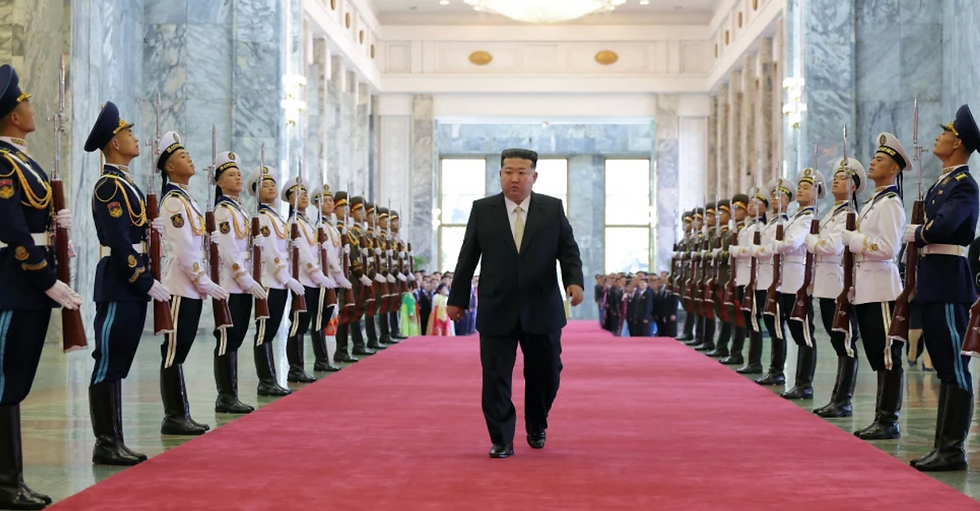
Expanding Surveillance and State Control
The report highlights how advances in technology have strengthened government surveillance. The number of unannounced inspections in which authorities check citizens’ computers, televisions, and radios have increased in recent years. Weekly self-criticism sessions have been implemented and remain mandatory, reinforcing the government’s harsh ideologies and used to collectively monitor citizens. Unlike most countries, North Korea does not allow open internet access. Instead, the government maintains a tightly controlled national intranet used by officials and specific institutions. Independent media and civil society organizations do not exist, reinforcing the regime’s authority over information.
Foreign Media as a Threat
One of the most alarming findings is the reported expansion of the death penalty for sharing or consuming foreign media. Public trials and executions are allegedly carried out to evoke fear and prevent others from accessing outside content. South Korean dramas, foreign films, and even certain expressions are now punishable offences. According to the U.N, these measures raise serious concerns about violations of freedom of expression and the right to access information. Despite the risks, testimonies suggest that many North Koreans continue to seek outside media, often through smuggled USB drives or illegal broadcasts. For some, foreign content represents not only entertainment and a glimpse into alternative ways of life.
A Decade of Regression
The U.N. report compares conditions today with findings from 2014 and concludes that repression has deepened significantly over the past decade. Crackdowns intensified around 2018 and became harsher after 2020, as border controls and internal monitoring expanded.
The international community has criticized North Korea’s human rights record over a long period of time, but the new findings suggest that technological advancement has strengthened rather than weakened, increasing the regime’s control over its population.

Global Implications
While much international attention focuses on North Korea’s nuclear weapons program, this report highlights the important crisis of human rights within the country. Information control serves as a foundational mechanism for the regime’s stability, ensuring that citizens remain isolated from global ideas and concepts. For policymakers, the challenge remains complex. Sanctions and diplomatic pressure seek to limit nuclear development, but internal repression largely continues. These findings raise questions about how the international community can effectively address systemic human rights abuses in one of the world’s most closed societies.
Looking Ahead
The U.N.’s latest assessment reinforces the view that freedom of expression in North Korea has decreased sharply under Kim Jong Un’s leadership. As surveillance expands and penalties grow more severe, access to information has become not just restricted, but life-threatening. The report serves as a reminder that beyond international tensions and nuclear forces, millions of North Koreans live under an information blockade where watching a television drama or sharing a film can cost them their life.
References
De Luce, D. (2025, September 13). North Korea is executing people for sharing foreign films and TV, U.N. says. NBCNews.com. https://www.nbcnews.com/world/asia/north-korea-executing-people-sharing-foreign-films-tv-un-says-rcna230975


Comments