Jangmadang
Last year, HanVoice presented the People’s Museum of North Korea.
Through an exhibition set up at Stackt Market, HanVoice allowed visitors to take a step into a North Korean living room.
The exhibition was a success, being “featured on CTV News, CBC Radio, and CityNews among others. With the help of The Korean Vegan and numerous creators on TikTok and Instagram, the exhibit reached over 2.5 million people across different social media platforms.” (HanVoice Canada)
This year from September 22nd to October 22nd, HanVoice will be reopening the People’s Museum of North Korea.
This time showcasing North Korean Jangmadang, 장마당, translated into English as “Market Grounds”.

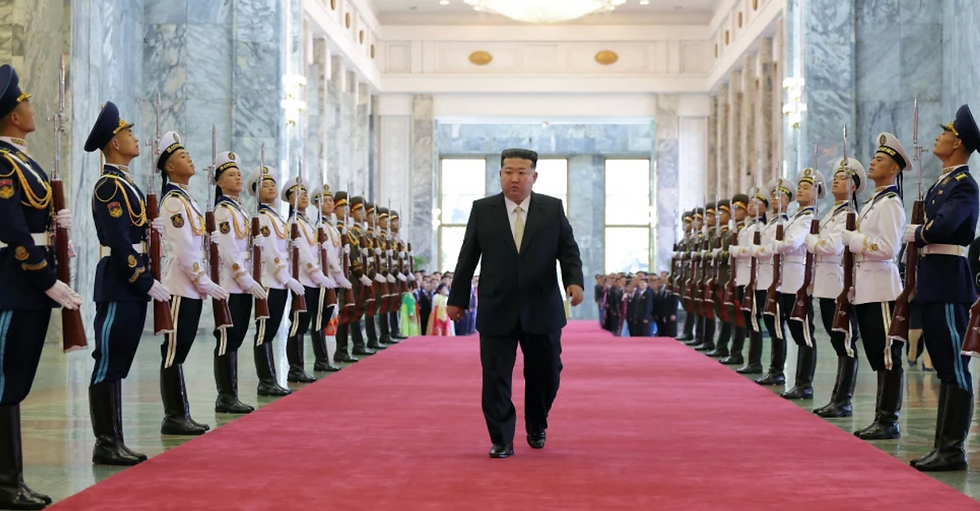
Photo from Kyodo-Jonhap September 5, 2020
What is Jangmadang 장마당?
From the name, you might expect Jangmadang to be similar to other markets around East Asia. However, the reasoning and function behind Jangmadang is unique to North Korea, with the markets representing a long history of struggle and perseverance.
“In the 1990s, North Korea’s socialist economy collapsed, triggering a devastating famine that took the lives of up to a million North Korean people and altered the relationship between the people and the regime forever. The regime could not provide enough food through its public distribution system, so they prioritized resources to the ruling elites, leaving millions of ordinary civilians to fend for themselves. The North Korean people had to get creative to survive, so they took the economy into their own hands. They abandoned defunct work units, started foraging for food, and trading in new illegal markets, ‘Jangmadang’. These markets quickly became the main source of food for ordinary North Koreans and gradually grew to include more goods and services. This new market mindset and profit motive spread throughout North Korean society ushering in a new era of “marketization from below”, fundamentally changing the relationship between the people and the regime.” (Liberty in North Korea)
After their inception, Jangmadang would become the main source of food and income for the majority of North Koreans. In a micro-survey conducted inside North Korea, 72% of respondents stated that, “almost all of their income now comes from market activity!” (Liberty in North Korea)
As of 2023 however, Jangmadang are no longer what they used to be. Because of restrictions placed on North Korean citizens, and the border closure following the outbreak of COVID-19 three years ago, Jangmadang have virtually ceased to run.
The border closure stopped all trade between North Korea and China, cutting off the supply of food, medicine, and other goods that circulated through Jangmadang.
Nearly all ordinary North Korean citizens were reliant on Jangmadang in some way, and with the insight we have into current living conditions in North Korea, the effects caused by the restricted function of Jangmadang have been devastating.
Before North Korea’s isolation, citizens faced severe food shortages now made worse by North Korea’s response to the pandemic.
Published on July 13, 2023, an article by Nikkei Asia stated the following: “The National Intelligence Service told South Korea's legislature in a recent briefing that the situation had deteriorated further as of late May. Corn prices rose to their highest since Kim Jong Un assumed power, and deaths from starvation were believed to have tripled compared with a normal year, a lawmaker in attendance said. Violent crime reportedly soared as people struggled to survive.”
As of September 2023, recent news suggested that North Korea may finally be reopening its borders since the country’s isolation in early 2020. While resumed trade between China and the ease off restrictions placed during COVID-19 may increase trade through Jangmadang,
North Korean citizens would nevertheless continue to live without reliable access to basic necessities.
References:
https://en.yna.co.kr/aboutus/yonhapnews


Comments